

DREW KELLEY, BS, INTERN
DREW KELLEY, BS, INTERN
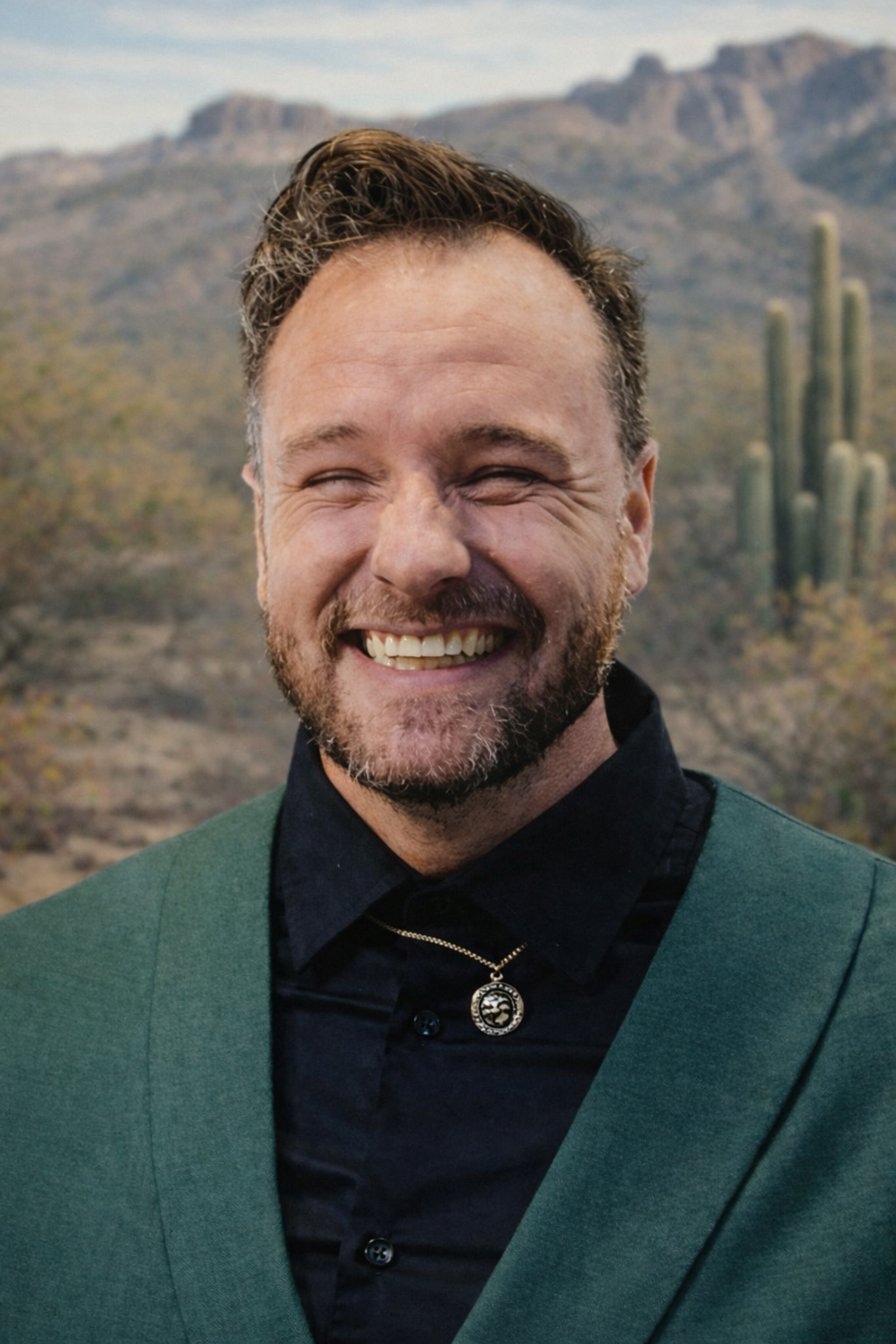
Life is full of unexpected turns and curveballs; these can take a toll on us as individuals and on the relationships we hold dearest. By learning and practicing practical everyday skills, these twists and turns in our relationships can become much less daunting and even a source of mutual empowerment. Whether navigating communication challenges, intimacy concerns, relationship transitions, or questions surrounding sexual health and identity, I believe growth and healing are possible through compassionate and collaborative support.
My name is Drew Kelley, and I am an Arizona native who recently relocated to Tucson. I am a first-year MSW student completing my practicum in pursuit of licensure. I have spent the majority of the last six years building and maintaining homelessness resolution programs for unhoused women. My experience working with trauma and its effects on individuals, couples, and interpersonal relationships has provided me with a deep and lasting passion for community building and relational healing. By focusing on practical tools that strengthen communication, emotional connection, self-awareness, and healthy relationship dynamics, I aim to create a collaborative therapeutic environment where clients feel empowered to address barriers to their well-being and success. I believe that anyone who seeks help or support is taking a meaningful step toward growth, and I strive to meet that courage with compassion, empathy, and respect.
In our work together, I strive to create a space that feels safe, grounded, affirming, and collaborative. I understand that vulnerability can feel intimidating, particularly when discussing relationships, intimacy, sexuality, or deeply personal experiences, and I approach each session with curiosity, authenticity, and nonjudgmental support. My goal is to meet clients where they are, honoring their lived experiences while helping them identify strengths, patterns, and possibilities for growth. Through intentional reflection, evidence-informed interventions, and practical skill-building, I hope to empower clients to move forward with greater clarity, confidence, emotional connection, and fulfillment in their lives and relationships.
Drew is committed to providing trauma-informed care that recognizes the lasting impact of adverse experiences on emotional, psychological, sexual, and relational well-being. His practice is grounded in a collaborative, strengths-based approach that emphasizes partnership in goal setting and treatment planning. He approaches each client with cultural humility, acknowledging the influence of intersecting identities—including race, ethnicity, gender identity, sexual orientation, socioeconomic status, religion, and lived experience—on worldview, relationships, and healing. Drew has a particular interest in supporting clients navigating sexual health and wellness concerns, couples and relationship counseling, interpersonal conflict, intimacy and communication challenges, and identity exploration. He prioritizes both personal and collective empowerment, supporting clients in strengthening their relationships, families, and communities. Through his clinical training and educational endeavors, he is continually expanding his ability to provide inclusive, affirming, and ethically grounded care. Above all, Drew practices with unconditional positive regard, fostering an empathetic, respectful, and nonjudgmental environment where clients feel seen, heard, and valued.
As a Student Intern, Drew receives direct and clinical supervision from an AZBBHE approved clinical supervisor, Danica Williams, MA, LPC, PMH-C (danica@novusleaf.sprucecare.com, 520-492.0492). His work is logged, monitored, discussed, and reviewed by his clinical supervisor. Client care is handled with professional quality; knowledge, feedback, and insight are gained from a team of professionals. Counselor accountability, growth, and development within this supportive infrastructure is emphasized.
Social Work Intern
Therapy is not a one-size fits all.
Drew views therapy as a collaborative journey grounded in trust, empathy, and intentional support. He understands that each client brings a unique story shaped by personal experiences, culture, and relationships, and he is committed to honoring that individuality in his work. Drew’s approach is warm and attentive, integrating thoughtful reflection with practical tools that help clients feel both understood and equipped to create meaningful change.
He believes that meaningful growth develops in spaces where individuals feel safe, respected, and empowered to explore openly. Drew works alongside clients to recognize patterns, clarify values, and build on their existing strengths. Whether navigating life transitions, managing stress, processing past experiences, or strengthening coping strategies, he offers a steady, collaborative presence focused on fostering resilience, insight, and lasting progress. His primary therapeutic approaches include:
Cognitive Behavioral Therapy (CBT)
Culturally-Sensitive
Mindfulness
Motivational Interviewing
Solution-Focused
Strength-Based
Trauma-Informed
